 A few months ago, I published a piece in the New York Times about where I stand on the gluten free issue, such as it is; I call it an issue because it has become, startlingly, just that—an issue. Like the issue of body art or nose piercing. Like it’s just an annoying way of eating that some self-important people claim to be faced with on a day-to-day basis, which sets them apart from the rest of the universe. Like they’re oh so special, or perhaps weren’t special enough in their mother’s eyes and the result is that now the rest of us have to try not to stare at their big, black ear lobe plugs while we’re engaged in polite conversation over hors d’oeuvres and dry martinis in the south parlor.
As my late great dispassionate Aunt Gertrude once said to me, Poor them.
The issue as written about by me and the other writers elicited responses all over the spectrum; there were naysayers and yaysayers, and some folks who talked about the very real problems surrounding bandwagons and trend, and the inevitable compassionless boors who honestly seem to believe that people who suffer from celiac disease and varying levels of intolerance are just faking it, as if a lifetime of bloating, diarrhea, fever, chills, vomiting, intestinal pain, and a litany of other less-than-delightful afflictions is something one might want to drum up at will, assuming one could. You know, just like that nagging little head shake that so many people with Parkinson’s use to their advantage.
This particular gluten free issue is one that is important to me on a personal level: I come from a very long line of family members who have suffered through the generations from what one of my cousins euphemistically calls tummy troubles which run the gamut from ordinary, self-diagnosed lactose intolerance (which precludes drinking milk but, in some cases, not eating cheese), to deadly fish/beef/nut allergies, to my dear late dad’s lifetime of discomfort: as a nineteen-year-old night fighter pilot in the wartime Pacific, he once had no choice but to put his plane down in a leper colony on the-then nearly uninhabitable island of Molokai less than an hour after eating a Parker House roll at his officer’s club. His apparent delusion and obvious desire to be different eventually resulted in not one, but two colostomies, five years apart. (If only he had quit his bellyachin’ and just ate what everyone else did, he clearly would have been fine.)
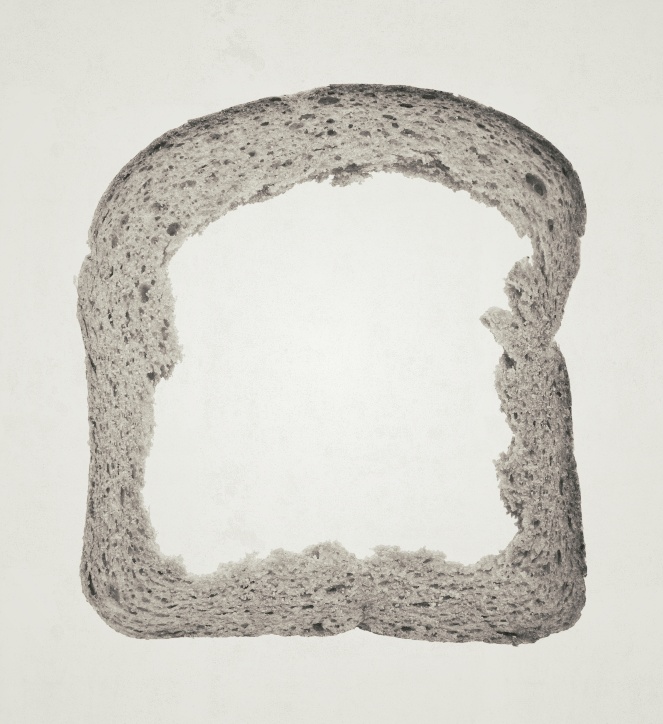
In the last year, I made the discovery that, generally speaking, I feel better if I eat either no gluten at all, or very infrequently and judiciously (sliced sandwich bread no; high quality, 3-ingredient bread, yes, but not every day and sometimes not even every week). I apparently have no problem with long-fermented doughs assuming I haven’t been gorging on their dreck-laden counterparts in the days prior. It’s not particularly a big deal; I don’t go near pizza if I’m not feeling well, nor do I expect my local pizzeria to accommodate me and then complain if they won’t, because pizzerias are to gluten what coals are to Newcastle. I mean, would someone with a fish allergy go to Arthur Treacher’s, and then complain about the fact that there was nothing for him to eat? There’s plenty for me to eat on the days when I’m avoiding gluten, just as there is on days when I’m not: what I choose to eat and when and where and how isn’t anyone’s problem but mine, and frankly, it shouldn’t be. One thing is for sure, though, either way: I will never starve. Because, for me, gluten free eating is not about deprivation; it’s about making the absolute most of the bounty — the vegetables, fruit, fish, meat, poultry, non-glutenous grains — that I know I’m lucky enough to have access to. (Which begs the question: what about those who aren’t as lucky?) Thanks to my former author and now-friend, Erin Scott of Yummy Supper, for teaching me this lesson.
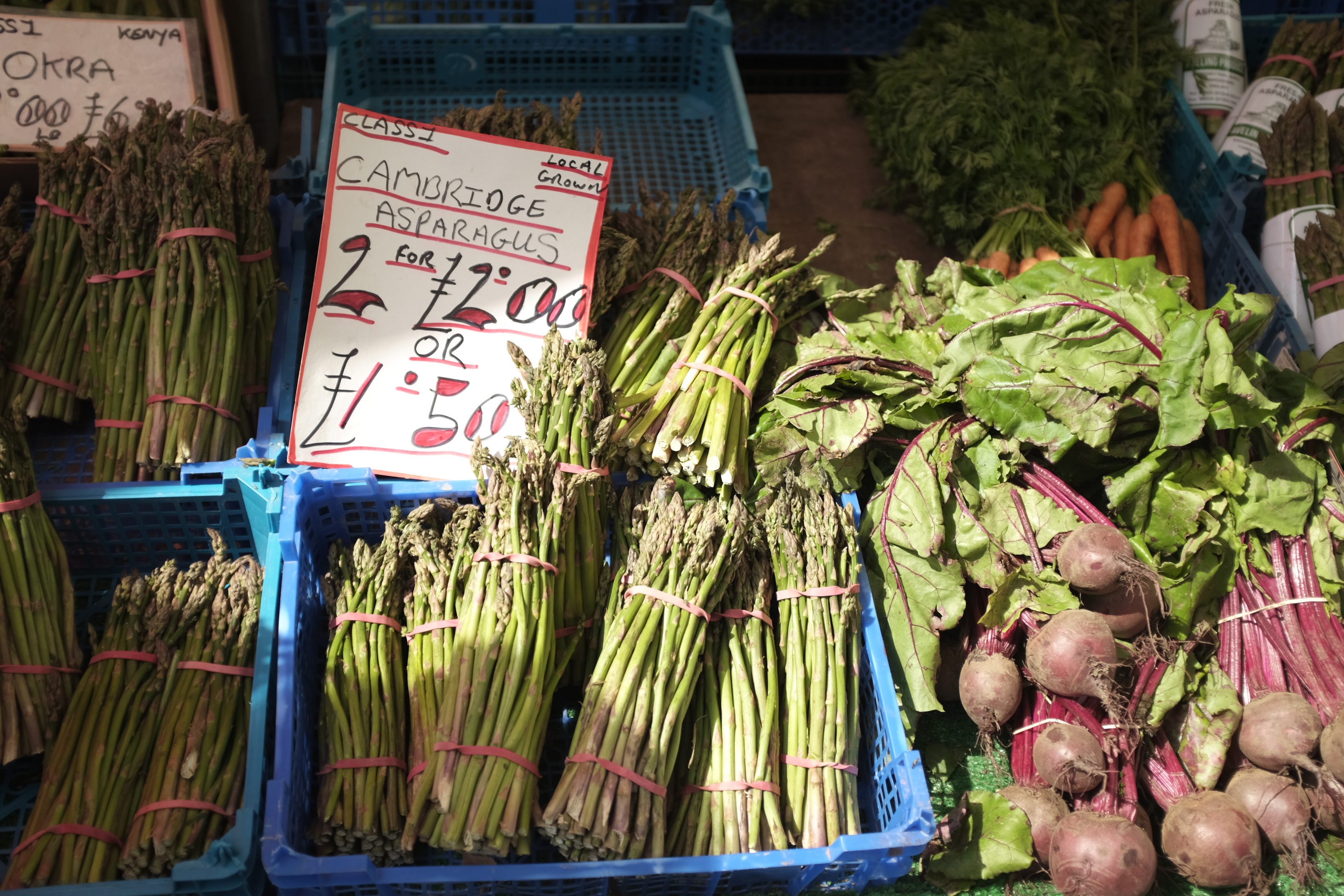
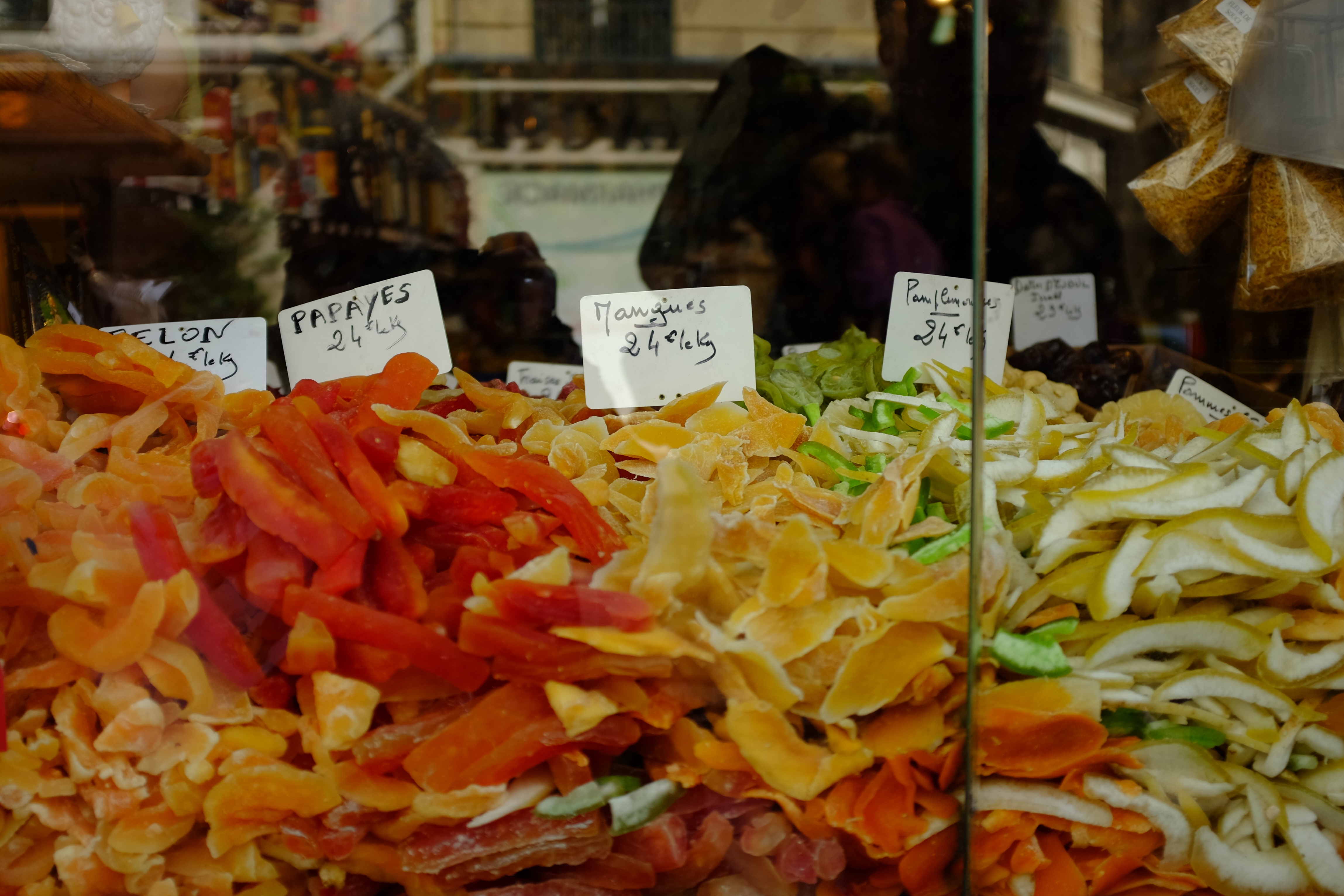
I’ve just come from two weeks in Europe — a week each in Paris and London — and after shopping for several days at a great Monoprix in the 5th, and spending my time in London walking from one end of the city to the other, I came across only one overtly gluten-free business (although I know there are more): Romeo’s Bakery in Islington. Beyond that, people who are gluten sensitive seem to be dealing with it fine across the pond (assuming they are doing their own cooking and not trying to order a gluten free mille feuille at Taillevent) — they don’t eat bread or pasta or glutinous grains, and are surrounded by some of the most stunning vegetables, fruit, meat, poultry, fish, cheese, and charcuterie I’ve seen, anywhere. Of all the meals I had out when I was away, the majority of them were naturally gluten free (the steak at Hawksmoor; the Branzino carpaccio at River Cafe; the saucisse d’Auvergne at Le Timbre); I didn’t ask for a gluten free menu nor did I mention that I wanted to eat gluten free. I just ordered appropriately. Then again, I’m also not a Celiac.

All of this said, there is a significant problem here at home — one that no one seems to be talking about — surrounding gluten free foods and the people that love them (G.F.F.A.T.P.T.L.T.), and it is actually not one of trendiness, or availability, or even the supposedly implied imperiousness of gluten free-ers. Instead, it’s the fact that while the naysayers and yaysayers have been battling it out loudly in public — in newspapers, on blogs, in magazines — it’s the processed food manufacturing Collossus who is having the last laugh, as it always seems to: in response to the needs of a growing gluten free population, virtually every supermarket in America has seen mind-boggling, exponential growth in their packaged gluten free food aisles: suddenly, as if out of nowhere, gluten free cookies, cakes, crackers, mixes abound. This is not just anecdotal: in an article in Time.com, according to the market research company, Packaged Facts, the gluten free market in the United States last year was $4.2 billion, and is predicted to grow to $6.6 billion by 2017. Which is a lot of dough.
To be fair, not all packaged gluten free foods are the same; some are produced under very strict, high quality control — Bob’s Red Mill, Canyon Bakehouse, and Jovial being three of the many manufacturers whose products are stellar — and some are not. And the ones that are not do for gluten free eaters what Chiffon Margarine did for cardiac patients (remember Chiffon Margarine — it’s not nice to fool Mother Nature and all that — which was touted as a heart-healthy buttery spread but was actually a by-product of hydrogenated cottonseed oil developed by Houston-based cotton trading magnates): you get a pricey, completely gluten free product that’s hyper-processed and laden with chemicals, industrial fillers, stabilizers and binding agents. Which, in my estimation, not only makes it precarious; it makes it no longer food.
It matters not a drop if you’re an ethical vegan, a medical vegetarian, or gluten free, or if you’re allergic to nuts, fish, onions, or beef. It doesn’t matter if you exist on a steady diet of burgers and fries, can’t eat eggs, or are a Jain. It doesn’t matter if gluten free people drive you insane or they don’t. If it’s not food — real food, devoid of fillers and chemicals, and mechanically manipulated to taste or act like something that it isn’t — don’t eat it. Make sure your children and your senior citizen parents and the less fortunate around you aren’t being fed it. Because it’s not real. And feeding people anything that’s not real strikes me — in all its Soylent Green splendor — as wildly deceptive on the one hand, and insanely dangerous on the other.
So regardless of whether you’re a yaysayer or a naysayer — if you live somewhere on the gluten free continuum, as I do, or you know someone who does (and you likely do) — the conversation should not be focused on who is really a Celiac, or who is really sensitive, or who is lying for some reason (why would someone lie about the way they need to eat?), and how completely annoyed you get listening to gluten free eaters tediously yammer on about their condition: it should be focused on issues of food quality — gluten free, or not. It should be focused on truth-telling (come on, General Mills: jacking up the price of Muir Glen tomatoes because they’re gluten free is a teeny bit cruel and disingenuous, don’t you think? ALL tomatoes are gluten free.), and refusing to give up control of the food that you ingest to industrial producers who really — really — have absolutely no interest in your health, be you gluten free or not.
The answer, instead, is to buy the freshest food you can, assuming you don’t live in a food desert (another disgrace). Eat seasonally. Shop at a farmer’s market or join a CSA. Plant a small vegetable garden. Roast a chicken. Make a pot of soup. Marry your local charcuterie to your local cheese. Make enough salad dressing for the week. Have your neighbors in. Be an active part of your food community, gluten free or not. Feed each other. Learn to cook instead of opening a can/package/box or calling in for takeout. Whether you’re gluten free or you aren’t, food is health and it’s life: Yours, mine, and ours.