photo copyright Virginia Willis
A conversation with Virginia Willis is always evocative; as the author of Bon Appétit Y’all: Recipes and Stories from Three Generations of Southern Cooking, she artfully married tales of growing up in the American South, deeply in love with her grandmother’s fried chicken, to stories of learning and cooking in France where she trained under the tutelage of Anne Willan, at La Varenne. For whatever reason, I have a lot of southern friends and colleagues, and while I know that most of them are astonishingly good cooks (even without training at La Varenne), I also know that they take breakfast very, very seriously. Ask them about it, and they do some pretty heavy swooning. I recently tested this theory out on Virginia, who contributes the piece here. Somebody, pass me a biscuit.
I wake up hungry.
Salty, smoky ham biscuits? Cheese toast? Sausage and eggs? Yes, please.
We lived in Louisiana when I was a little girl and we would pause at a truck stop in Mississippi on visits home to see my grandparents back in Georgia. We ordered bowls of steaming bowls of scrambled eggs, grits, and sausage rudely smushed together in a glorious mess. Still, every time those flavors marry in my mouth, I remember the tile floors, fluorescent tubes, and vinyl booths of that roadside spectacle. Ham biscuits make me think of eating breakfast in college on the run and cheese toast brings memories of leftover biscuits leaving dark brown crumbs on the foil-lined bottom of my grandmother’s toaster oven. Breakfast food both nourishes me and transports me.
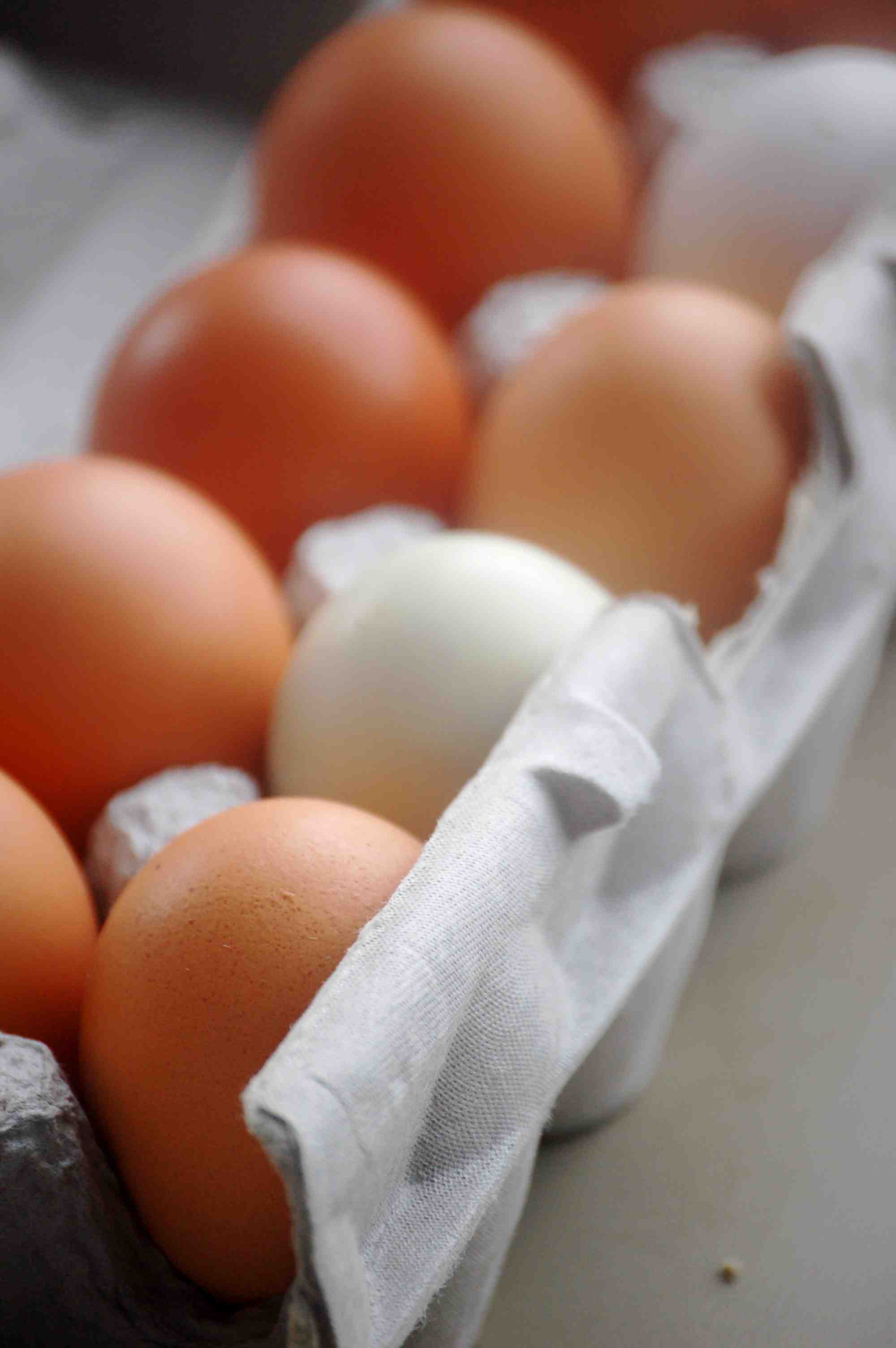
Mama made waffles and French toast when my sister and I were children. We would eat two or three pieces each, dripping with maple syrup, without a second thought. Beignets evoke New Orleans and make my heart beat faster. Pain au chocolat is yeasty, buttery air wrapped around bars of melting chocolate, a handful of heaven once enjoyed on at a corner Parisian café. One bite of chewy baguette swiped with butter and lathered with jam and I am in France, sipping hot coffee in the cool kitchen with the back door open overlooking the foggy Yonne River Valley. Smoky chili soaked breakfast burritos with tender black beans or thick, creamy Greek yogurt with golden amber honey and toasted walnuts both feed me and carry me to places I have once been. Regardless of the time of day, smoky grilled tomatoes make me think of an English breakfast I once enjoyed with eggs, bacon, and beans, and perhaps even a mushroom or two in a London flat. Several years ago, I had urban chickens and made incredible omelets with eggs still warm from the chicken’s nest.
I wake up hungry and I want to cook. I adore morning food. I adore the flavors, the tastes, the sensations, and the memories.
Morning food, then? Absolutely. Mornings? Never. I am not a morning person, never have been and most likely will never be. I could never be a baker, waking in the middle of the night. It hurts just thinking about it. People who do that are Morning People. You know them. Morning people are very much Morning People, chatting away at first breath or popping out of the bed like a piece of toast out of the toaster. Many of them like to start their day before everyone else, for what is termed “private and productive” time. Not me. I am pretty slow to get going, since age three, according to my mama. Don’t misunderstand. I am all about “private and productive”; I just don’t think it has to happen quite so early.
Leave me be. I am best left alone for a bit. Funny thing is that in one of the bits of work that I do, food television, the call time is often early in the wee hours of the morning. Before the show is recorded there’s all the prep that needs to be reviewed, cameras to check, and last minute script changes. Then my breakfast of champions is a Kashi bar with coffee and milk or admittedly, in dire situations, a fully leaded Coca Cola Classic that starts my day.
One of my more memorable breakfast meals that is likely never to be replicated occurred in Sciacca, Sicily, a remote fishing village on the Southeast coast of the island. Our translator referred to it as the place “where Jesus lost his shoes”. Our Epicurious television crew pulled up to the city harbor around 5:30 a.m., just as the boats were coming in. It was barely light. Groggy, I soon realized there were three women and about 500 Sicilian fishermen and buyers on the docks. We were greeted with wolf whistles and big grins. Frankly, I had seldom felt such attention! Some of those men were gorgeous!
One older man with gnarled hands and a toothy grin gave me a brilliant starfish, as large as a dinner plate.
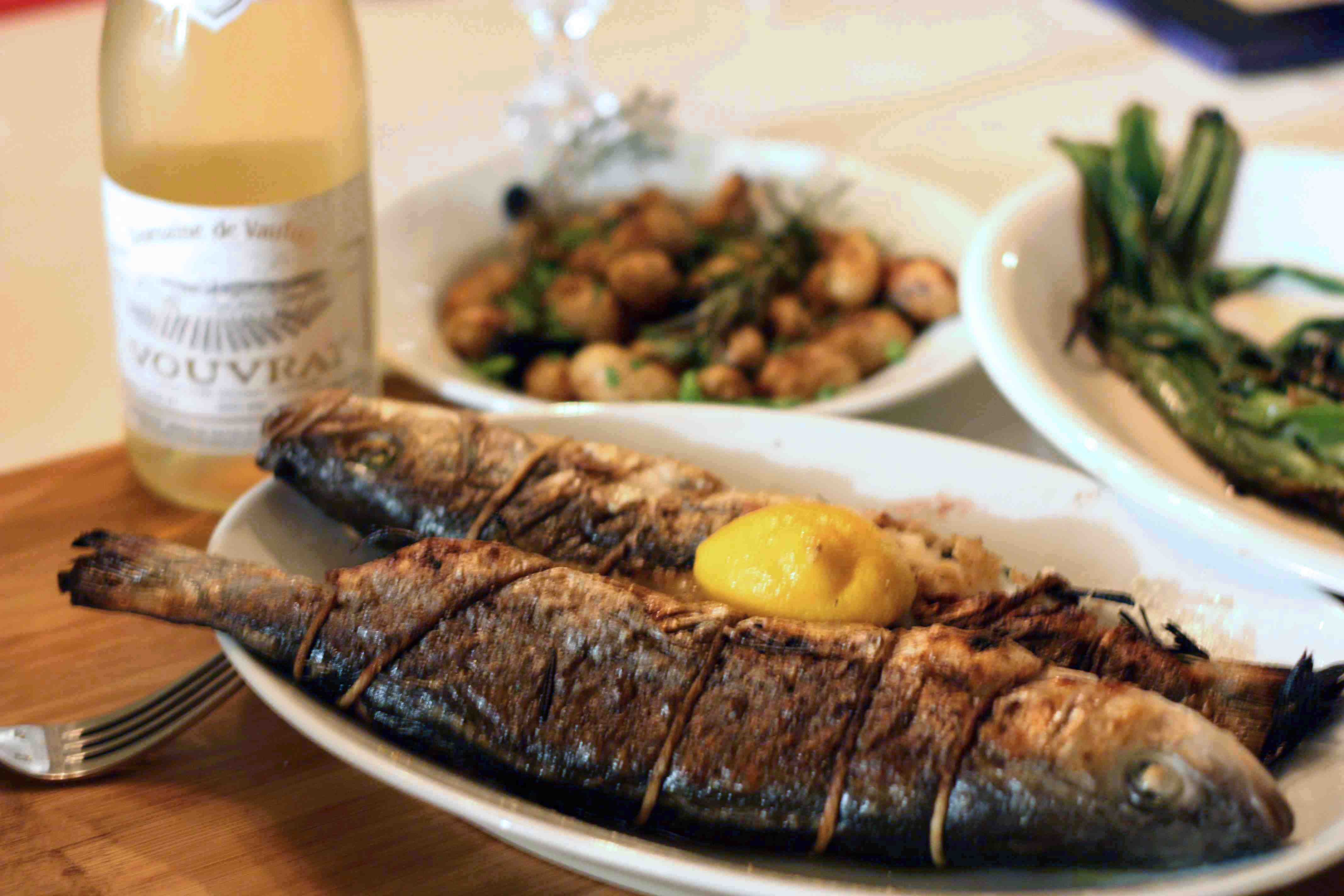
“Per te bella signora,” he said smiling broadly as my knees melted. But the tall dark handsome man who truly won my heart made me a sandwich made of hearty semolina bread, marinated anchovies, and olive oil — a Sicilian fisherman’s breakfast. Our translator explained that the boats go out at night hung with great lanterns to simulate the moon and draw the small, silver fish into the nets. The men take a few fish from the first catch and remove the bones. They then place the filets in a bowl and drizzle over freshly squeezed lemon juice and olive oil, and heartily season the mix with coarse sea salt and pepper. The fish cures during the night much like ceviche or escabeche and when they return in the morning with their catch, breakfast is ready.
The folks at the truck stop simply wouldn’t understand.
Here’s something perhaps not as memorable, but certainly enjoyable, even if you aren’t a Morning Person.

Breakfast Strata with Country Sausage
Serves 8
Strata is the plural of stratum, and whether we’re talking about rocks or recipes, it refers to layering. Here, it is a breakfast casserole layered and bound with custard, almost like a savory bread pudding. What’s great about a strata is that it should be prepared and refrigerated the night before. The next morning, all you need to do is let it come to room temperature on the counter and bake.
1 tablespoon canola oil, plus more for the dish
1/2 pound bulk pork or turkey country sausage
1 onion, chopped
1 red bell pepper, cored, seeded and chopped
1 yellow bell pepper, cored, seeded and chopped
2 cloves garlic, very finely chopped
2 baguettes, cubed
1/2 cup grated Parmigiano-Reggiano cheese (about 11/2 ounces)
6 large eggs
21/2 cups whole milk
1 tablespoon chopped fresh sage
1 tablespoon chopped fresh flat-leaf parsley
Coarse salt and freshly ground black pepper
Brush a large gratin dish with some of the oil.
To cook the sausage, in a large skillet, heat the remaining 1 tablespoon of oil over medium heat. Add the sausage and cook until it begins to brown, 3 to 5 minutes. Add the onion and red and yellow bell peppers and saute until the onion is golden, about 5 minutes. Add the garlic and cook until fragrant, 45 to 60 seconds.
To assemble the strata, place half of the bread cubes in the prepared gratin dish and top with half of the sausage mixture. Sprinkle 1/4 cup of the grated cheese over the sausage mixture and top with the remaining bread cubes and sausage.
Whisk together the eggs, milk, sage, and parsley in a medium bowl. Season with salt and pepper. Pour the custard over the strata. Cover with plastic wrap and refrigerate for at least 3 hours and up to 12 hours.
Preheat the oven to 350°F. Let the chilled strata stand at room temperature for 20 minutes.
Bake the strata for 30 minutes. Remove from the oven and sprinkle with the remaining 1/4 cup cheese; continue baking until the strata is puffed and golden brown, an additional 20 to 25 minutes. (If the top of the strata starts to get too brown, cover it with aluminum foil.) Remove to a rack to cool slightly. Serve hot or warm.
Recipe used with permission from Bon Appétit Y’all: Recipes and Stories from Three Generations of Southern Cooking (Ten Speed Press 2008).
For more about Virginia, please visit www.virginiawillis.com